What Happens When a Startup Fails
Most startups do not return capital. That is the base rate, not the tail risk, and almost nobody, founder or investor, is prepared for what failing looks like.
5 posts in this category

Most startups do not return capital. That is the base rate, not the tail risk, and almost nobody, founder or investor, is prepared for what failing looks like.

Due diligence is where a fundraise gets decided. Here is what investors look at, why, and how to have your answers ready before they ask.

Venture funding hit records in early 2026, but almost all of it went to a handful of AI giants. What that concentration means for everyone else raising.

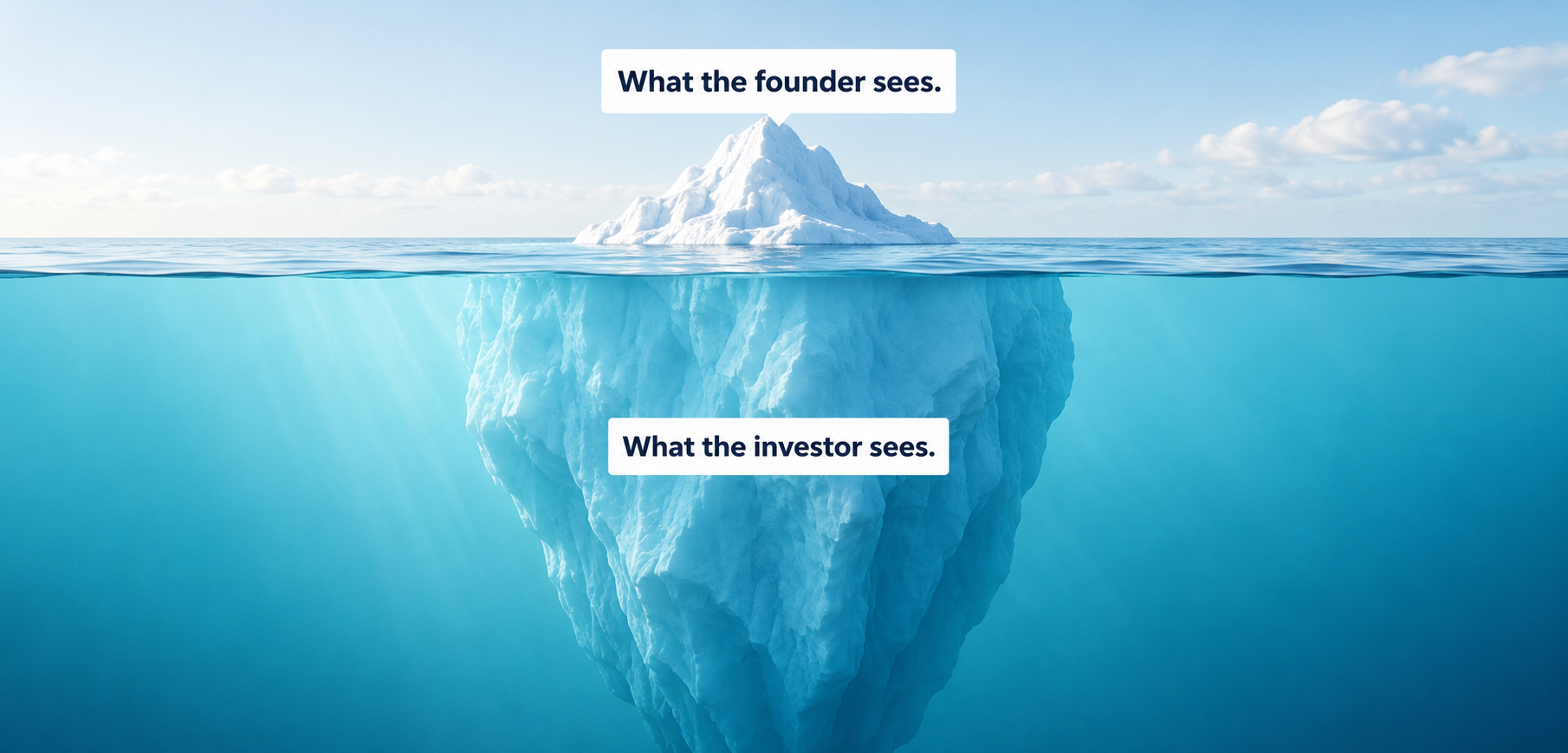
The weaknesses that sink a fundraise are usually the ones the founder cannot see. Here is why that blind spot exists, why it costs investors too, and how to close it before the first meeting.

Most startups apply to dozens of investors with no feedback and no result. AngelHive is built around a different premise: apply once, get assessed, reach hundreds of relevant investors across 30+ networks.